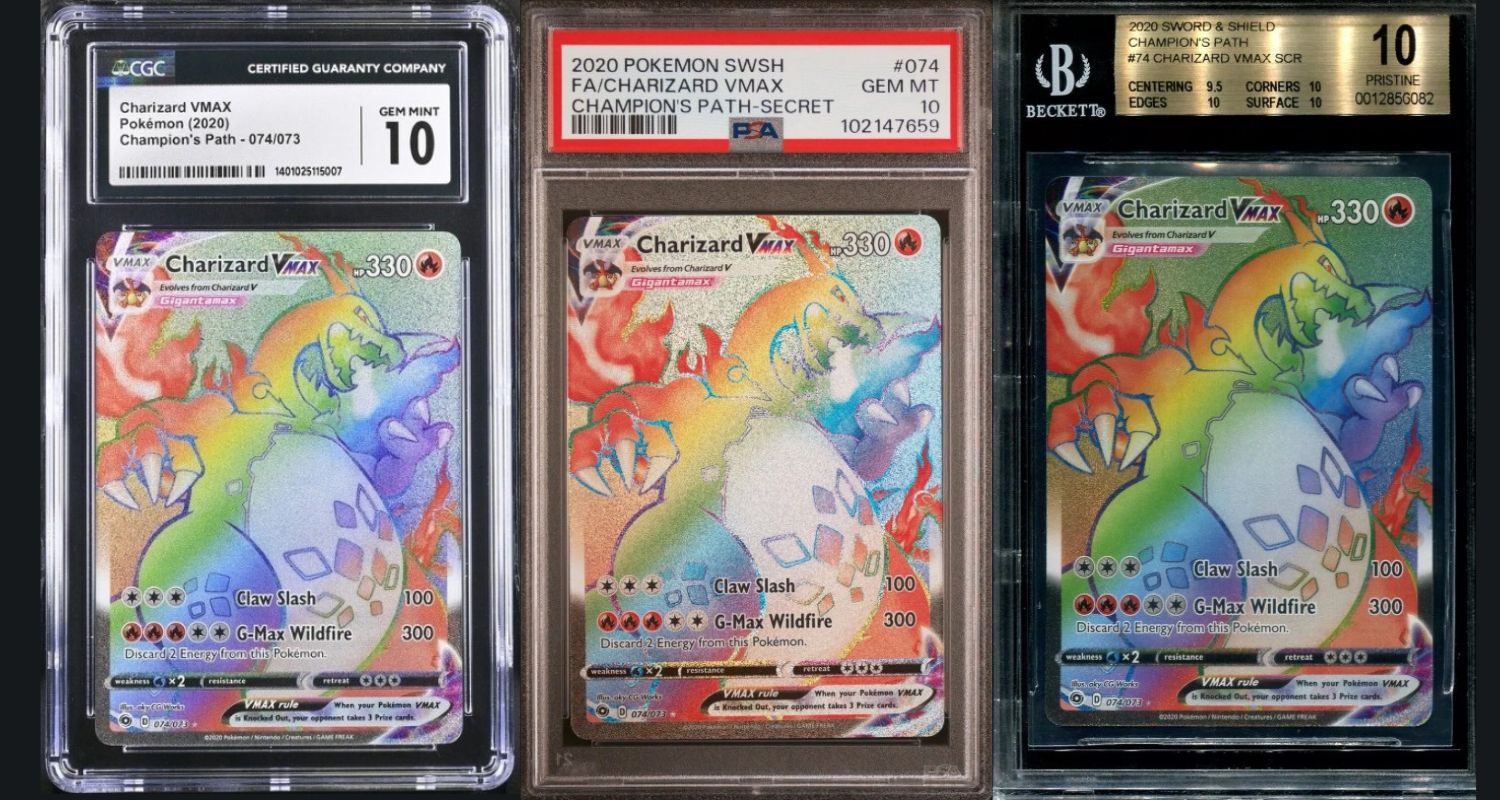
CGC vs. PSA: Maximizing Value for Your Rare Retro Games
The world of collecting has always been passionate, but few sectors have exploded with the fervor seen in **rare retro game grading**. What was once a niche hobby has transformed into a serious investment market, with classic titles commanding unprecedented prices. As collectors and investors increasingly recognize the inherent value in preserving these digital relics, the role of professional grading services has become paramount. Two major players have emerged as leaders or significant contenders in this space: Certified Guaranty Company (CGC) Video Games and Professional Sports Authenticator (PSA). Understanding the nuances of each service is crucial for anyone looking to maximize the value and ensure the authenticity of their prized retro gaming collection.
The Rise of Professional Game Grading: Why It Matters for Your Collection
The decision to have a **rare retro game graded** is no longer just about personal satisfaction; it's a strategic move that can significantly impact its market value, authenticity, and liquidity. Historically, services like VGA and WATA pioneered the concept of third-party video game grading, setting the stage for what we see today. Professional grading provides an objective, standardized assessment of a game's condition, moving beyond subjective "like new" descriptions. This standardization builds trust between buyers and sellers, making transactions smoother and often leading to higher sale prices for high-grade items.
For serious collectors and investors, a professionally graded game offers several key advantages:
* **Authenticity Assurance:** Grading companies verify that a game is genuine, reducing the risk of counterfeits or tampered items.
* **Condition Standardization:** A universal grading scale (e.g., 10-point numeric) allows for consistent evaluation, providing clarity on a game's state. This is especially vital for
decoding video game grades and understanding what each level signifies.
* **Preservation:** Encapsulation in a secure, tamper-evident case protects the game from environmental damage and handling wear, ensuring its condition is maintained for years to come.
* **Increased Market Value:** High-grade examples of **rare retro games** consistently fetch premium prices. Collectors are willing to pay more for items with verified condition and authenticity.
* **Liquidity:** Graded games are often easier and quicker to sell in the secondary market due to the established trust in their condition and authenticity.
In an market where sentiment and nostalgia meet serious investment, deciding to grade your rarest games is a significant choice. To explore this further, consider
Grading Your Rarest Games: Is It a Smart Investment Move?
CGC Video Games: A Deep Dive into Their Offerings
CGC Video Games is a division of the Certified Collectibles Group (CCG), an organization founded in 2000 with a mission to empower collectors across various categories. Leveraging CCG's two decades of experience in third-party authentication and grading, CGC Video Games has quickly established itself as a formidable force in the video game sector. They specialize in expertly grading both modern and classic video games across all the most popular consoles, including Nintendo, Sega, Atari, PlayStation, and Xbox.
What sets CGC Video Games apart?
* **Expert Grading Team:** Their graders are chosen for their extensive experience, deep knowledge, and genuine passion for video games. This specialized expertise allows for accurate and consistent evaluations, crucial for the delicate assessment of **rare retro games**.
* **Nuanced Grading Scale:** CGC employs a sophisticated 10-point numeric grading scale, offering precise distinctions in condition. Furthermore, they provide separate letter grades specifically for game seals, acknowledging the critical impact of seal integrity on a game's overall collectibility and value.
* **Superior Encapsulation:** CGC has invested heavily in developing a video game holder designed for optimal protection and aesthetic appeal. These sleek, crystal-clear cases are engineered to be more protective than any other on the market, safeguarding your valuable games from potential damage.
* **Advanced Security Features:** Each CGC-certified label incorporates multiple anti-counterfeiting measures, including microprinting, UV ink, and a unique QR code. These features provide unparalleled security and allow for easy verification of your game's authenticity and grade.
* **The CGC Guarantee:** Every game, box, manual, and insert certified by CGC Video Games is backed by the industry-leading CGC Guarantee. This guarantee instills confidence in collectors and dealers, making it safer and more reliable to buy, sell, and collect video games, especially high-value **rare retro games**.
CGC's methodical approach, robust protection, and commitment to transparency make them a strong contender for collectors prioritizing security and consistent grading.
PSA's Entry into Video Game Grading: A New Contender
Professional Sports Authenticator (PSA) is a name synonymous with third-party grading in the collectibles world, particularly for sports cards. Their reputation for integrity and standardization has been built over decades, making their recent entry into video game grading a significant development for the market. While detailed specifics about PSA's video game grading methodology are still emerging, their established brand and proven track record in other high-value collectibles suggest they are poised to become a major player.
Collectors have already begun sending their most valuable games to PSA for grading, indicating a growing trust in their expertise. As demonstrated by a recent YouTube feature, even the rarest and most expensive games, valued at thousands of dollars across platforms like N64, NES, Super Nintendo, DS, 3DS, and Sega Mario, are being submitted. This move by PSA signals a broader mainstream acceptance of video games as serious collectibles and investments.
PSA's strengths in the video game grading arena are likely to stem from:
* **Brand Recognition and Trust:** PSA's long-standing reputation in sports cards and other collectibles provides immediate credibility and trust within the broader collecting community. This can attract new investors to the **rare retro game** market.
* **Established Processes:** While new to video games, PSA's deep experience in high-volume, high-value grading means they have refined processes for authentication, condition assessment, and encapsulation that can be adapted.
* **Market Impact:** PSA's entry could further legitimize video game collecting as an investment class, potentially expanding the market and attracting even more capital. Their presence creates healthy competition, which can ultimately benefit collectors through improved services and standards.
The question "is it worth it?" posed by early adopters highlights the immediate challenge and opportunity. For PSA, the task is to translate their grading prowess from cards to games effectively, ensuring their standards meet the unique demands of video game preservation and authentication.
CGC vs. PSA: A Comparative Analysis for Maximizing Value
When choosing between CGC and PSA for your **rare retro game grading**, several factors come into play. Both services aim to enhance value and confidence, but they offer distinct advantages.
Grading Scale & Methodology
*
CGC: Employs a nuanced 10-point numeric scale for the game itself, along with specific letter grades for seals. This dual approach acknowledges the distinct importance of both item condition and seal integrity, offering a granular assessment that many video game collectors appreciate. Their focus is on consistency and accuracy, backed by specialized video game graders.
*
PSA: While their specific game grading scale is still gaining widespread familiarity, PSA is renowned for its 10-point scale in other categories. The key for PSA will be how consistently and transparently they apply this to the unique challenges of video game condition assessment. Their established reputation suggests they will strive for objectivity, but their methodology for seals, manuals, and specific wear patterns on game boxes will be under scrutiny.
Holders & Protection
*
CGC: Boasts a "superior," "sleek," and "crystal-clear" holder that is "more protective than any other on the market." Combined with advanced security features like microprinting and QR codes, CGC places a high emphasis on both the physical protection and verifiable authenticity of the encapsulated game.
*
PSA: While details on their specific video game holders are less public, PSA's holders for sports cards are robust and well-regarded for protection and tamper-evidence. Collectors can expect a high-quality, secure slab from PSA that prioritizes the long-term preservation of their games.
Market Perception & Liquidity
*
CGC: As a dedicated video game grading service from an established collectibles group, CGC has been steadily building trust and market share within the video game community. Their guarantee and transparent processes are fostering a strong reputation, especially for higher-value **rare retro games**.
*
PSA: PSA benefits immensely from its existing brand recognition across the broader collectibles market. Their entry instantly lends a level of legitimacy and visibility to video game grading that few others can match. For collectors looking to sell to a wider audience, PSA's brand might initially offer broader appeal due to its cross-collectible recognition.
Focus & Expertise
*
CGC: Has a dedicated division with specialists focused solely on video games. This deep, specialized expertise can be a significant advantage when dealing with the intricacies of various console formats, packaging types, and historical manufacturing quirks.
*
PSA: While their general grading expertise is undeniable, their specific video game grading division is newer. They will be leveraging their overarching grading principles and adapting them to video games, which may involve a learning curve for specific video game nuances.
Making the Right Choice: Tips for Grading Your Rare Retro Games
Deciding which service to use for your **rare retro game grading** is a personal choice that should be informed by several considerations:
1.
Assess Your Game's Condition Rigorously: Before sending your game off, be brutally honest about its condition. A game that is "Very Good" (may have medium-sized creases, minor tears, small stains) or "Fair" (well used, pen marks, large creases) might not yield a significantly high grade, potentially making the grading cost less justifiable. Focus on items that are "Near Mint" (like new with only the slightest wear) or "Excellent" (lightly used, but almost like new, no tears or marks) for the best return on investment.
2.
Research Costs and Turnaround Times: Both services will have varying fees based on the declared value of your game and different turnaround times. Compare these factors to your budget and your urgency for having the game returned.
3.
Consider Your Goal: Are you grading for personal preservation, investment, or immediate sale? If you plan to sell, consider which grading company's slab is more desired or recognized by your target buyers.
4.
Market Acceptance and Preferences: While both services are reputable, some segments of the collecting community might have a preference for one over the other, either due to long-standing allegiance or the aesthetics of the slab. Observe market trends on auction sites and collector forums.
5.
The Rarity vs. Condition Equation: For truly *exceptionally rare* games, even a lower grade might still significantly increase value by authenticating the item and protecting it. However, for less rare titles, a high grade is usually essential to see a substantial value boost.
Conclusion
The landscape of **rare retro game grading** is dynamic and exciting, driven by a passionate community and a burgeoning investment market. Both CGC Video Games and PSA offer valuable services, bringing professionalism, standardization, and enhanced protection to the forefront. CGC, with its dedicated video game expertise, nuanced grading scale, and superior holders, has quickly become a trusted name. PSA, leveraging its iconic brand and extensive grading experience, promises to further legitimize the market and expand its reach. Ultimately, the "best" choice will depend on your specific game, its condition, your personal preferences, and how each service's offerings align with your goals for maximizing value. What is clear, however, is that professional grading is an indispensable tool for any serious collector or investor navigating the thrilling world of vintage video games.